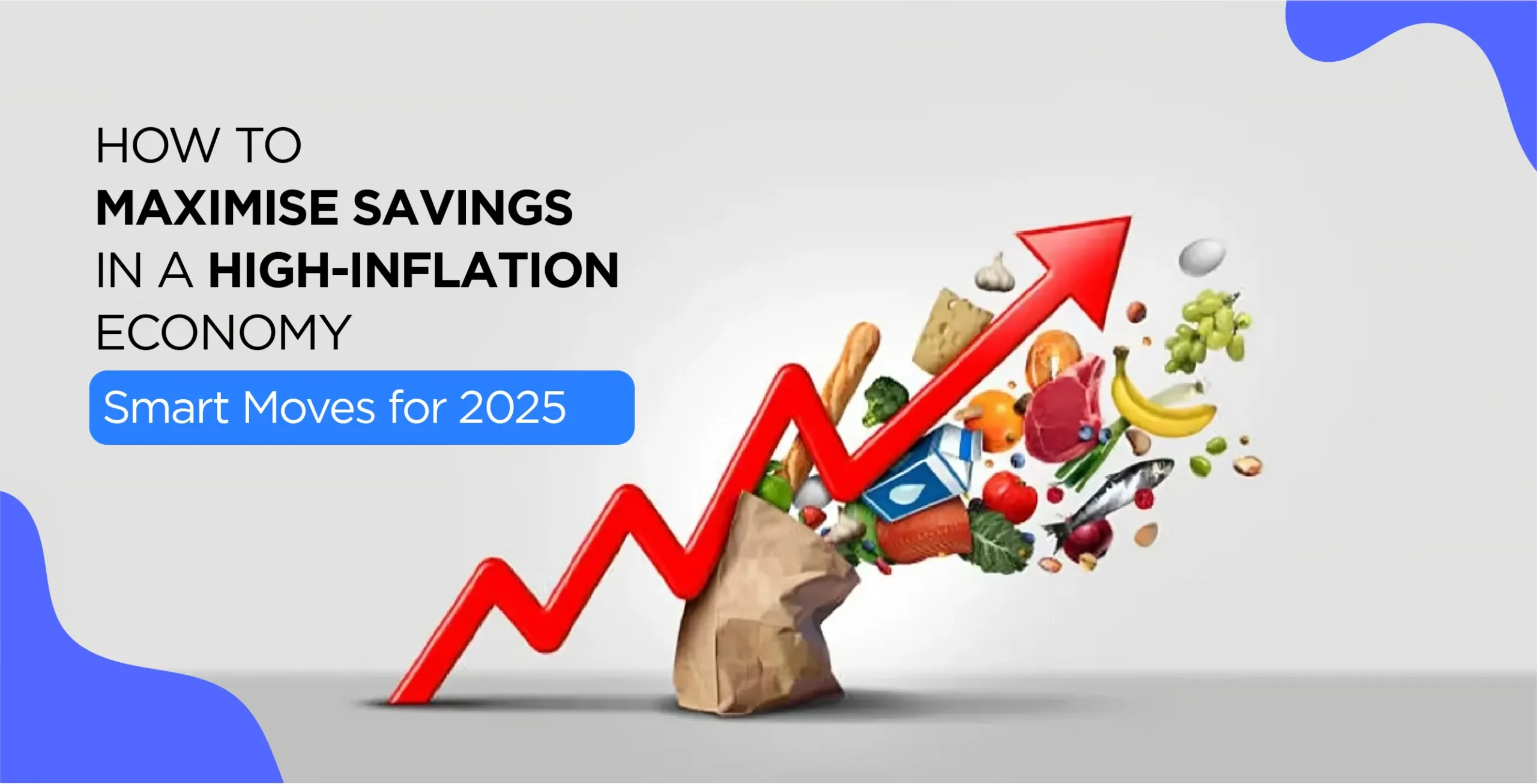
Learn how inflation reduces the value of your savings and discover smart investment and money management strategies to protect your wealth in 2025.
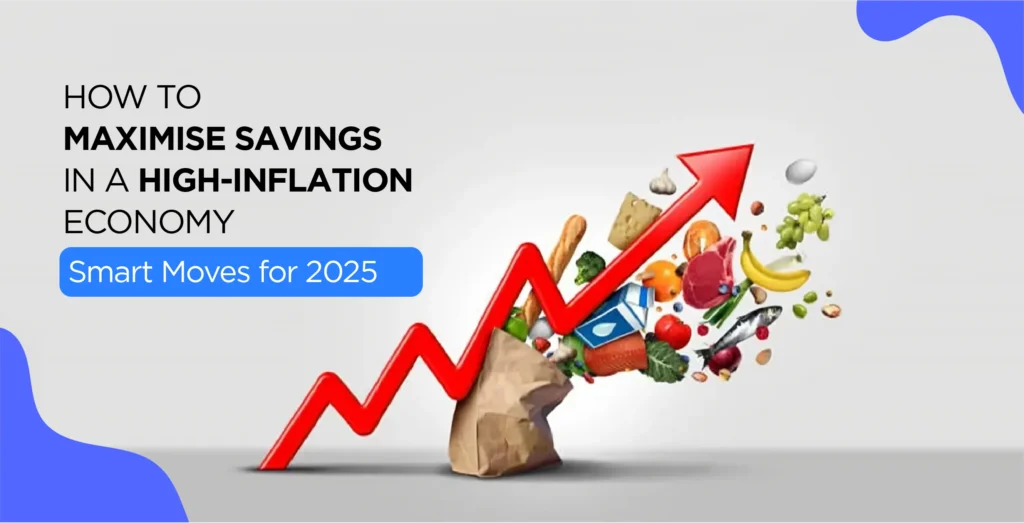
Inflation is one of the biggest silent threats to personal savings. While your bank balance may look the same, the real value of your money often decreases as prices rise. Understanding how inflation works and learning smart strategies to protect your savings is essential for long-term financial stability.
Inflation refers to the gradual increase in prices of goods and services over time. When inflation rises faster than interest earned on savings accounts, purchasing power falls. This means the money you saved five years ago may buy fewer goods today. Many individuals overlook this impact, assuming saving alone is enough for financial security.
One of the most affected areas is traditional savings accounts. While they offer safety and liquidity, the interest rates are often lower than inflation. As explained in our finance coverage on
https://newz101.com/finance-news, long-term reliance on basic savings accounts can erode wealth.
To counter inflation, diversification is crucial. Investments such as stocks, mutual funds, and bonds tend to offer better inflation-adjusted returns. Our detailed guide at
https://newz101.com/investment-tips explains how diversified portfolios reduce inflation risk.
Another effective strategy is investing in assets that historically outpace inflation. Real estate, for example, often appreciates in value while generating rental income. Insights shared on
https://newz101.com/real-estate-finance highlight how property can act as an inflation hedge.
Emergency funds are still important, but excess cash should be deployed wisely. Fixed deposits and government-backed schemes may provide stability, but returns should always be compared with inflation rates. Regular updates on interest trends can be found at
https://newz101.com/banking-updates.
Inflation also impacts lifestyle costs such as food, fuel, and healthcare. Budgeting tools and expense tracking can help adjust spending habits. Our budgeting resources at
https://newz101.com/personal-finance offer practical methods to control rising expenses.
Another overlooked factor is tax efficiency. Inflation combined with taxation can significantly reduce net returns. Learning about tax-saving investment options is essential, as explained at
https://newz101.com/tax-planning.
Financial education plays a key role in inflation protection. Staying informed about market trends and economic indicators allows timely decisions. Daily finance updates are available at
https://newz101.com/economy-news.
In conclusion, inflation is unavoidable, but its impact on savings can be minimized with proper planning. Smart investing, regular portfolio reviews, and continuous learning are the keys to staying financially resilient in an inflation-driven economy.