

The UN Climate Summit 2025 sees world leaders debate carbon cuts, renewable energy, and climate finance. Will it be a breakthrough or another set of broken promises?
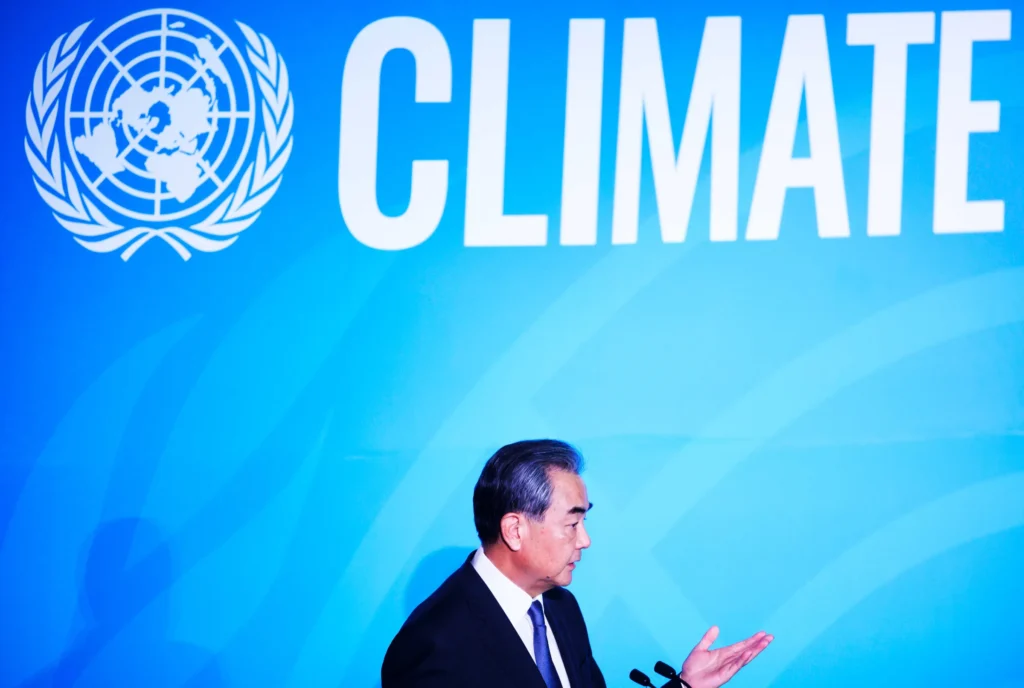
UN Climate Summit 2025: A Test of Global Commitment
The UN Climate Summit 2025, held in Rio de Janeiro, has drawn global attention as world leaders, scientists, and activists gather to confront one of humanity’s greatest challenges—climate change. Coming after a year of record-breaking heatwaves, floods, and wildfires, the summit arrives at a moment of urgency. The key question on everyone’s mind is whether this year will mark a true breakthrough in climate action or just another round of broken promises.
Why This Summit Matters
For years, nations have pledged to cut carbon emissions and transition toward clean energy, yet progress has often fallen short. The Paris Agreement of 2015 set ambitious goals, but nearly a decade later, global emissions remain high.
The 2025 summit is crucial because:
- The world is dangerously close to exceeding the 1.5°C warming limit.
- Extreme weather events are destroying lives and economies at an alarming rate.
- Developing nations are demanding climate justice—financial and technological support to adapt to rising threats.
The summit is being seen as a last chance to make binding commitments that can steer the planet toward a sustainable future.
Key Agendas at the Summit
Several pressing issues dominate the negotiations this year:
- Carbon Emission Reductions – Countries are under pressure to agree on deeper cuts to greenhouse gases, with stricter timelines.
- Renewable Energy Targets – Proposals are on the table to triple global renewable energy capacity by 2035.
- Climate Finance – Wealthy nations face demands to deliver on their long-standing pledge of $100 billion annually to help developing countries.
- Loss and Damage Fund – Hard-hit nations want concrete mechanisms to access funding for rebuilding after climate disasters.
- Fossil Fuel Phase-Out – A highly contested topic, as some countries push for a complete ban on coal and oil investments, while others resist due to economic dependence.
Tensions Between Nations
Negotiations at the summit highlight the divide between developed and developing countries.
- Developed Nations (U.S., EU, Japan): Emphasize stricter climate goals but are criticized for failing to deliver promised funds.
- Developing Nations (India, Brazil, African states): Argue that they cannot sacrifice growth without significant financial and technological support.
- Oil Exporting Countries (Saudi Arabia, Russia): Resist demands for rapid fossil fuel phase-outs, warning of economic instability.
This tension reflects the equity debate: should wealthy countries that historically contributed most to global emissions bear the greatest responsibility?
Role of Renewable Energy
Despite disagreements, one area gaining momentum is renewable energy. Falling costs of solar, wind, and green hydrogen are making them attractive alternatives. Countries are unveiling plans for massive solar farms, offshore wind projects, and investments in electric vehicles.
Yet, challenges remain—storage technology, infrastructure, and funding gaps threaten to slow the transition, particularly in poorer nations.
Youth and Activist Pressure
Outside the summit halls, thousands of climate activists and youth movements are staging protests, demanding urgent action. Groups argue that leaders have made too many promises without accountability.
The presence of youth leaders is especially strong in 2025, with demands for legally binding commitments and penalties for countries that fail to meet targets. Their message is clear: “No more empty words—time for real action.”
Breakthroughs So Far
While the summit is still ongoing, a few positive developments have emerged:
- A coalition of over 60 countries has pledged to end subsidies for fossil fuels by 2030.
- Several wealthy nations have announced fresh contributions to the Loss and Damage Fund, aimed at helping vulnerable nations recover from climate disasters.
- China and the U.S., despite rivalry, have agreed to collaborate on carbon capture and clean technology research.
These commitments bring hope but observers warn that without strict enforcement, they may become just another set of unfulfilled promises.
Final Verdict
The UN Climate Summit 2025 stands as a defining moment in the fight against climate change. With rising global temperatures and devastating natural disasters, the need for immediate, concrete action has never been greater.
If leaders manage to agree on binding emission cuts, renewable energy targets, and fair climate finance, the summit could be remembered as a breakthrough. But if old patterns of vague promises continue, it risks being seen as another failure in humanity’s struggle to protect the planet.
Ultimately, the world is watching—and the legacy of the 2025 summit will depend on whether leaders choose bold action or political compromise.