Date: July 9, 2025
Category: Politics | India News | Government
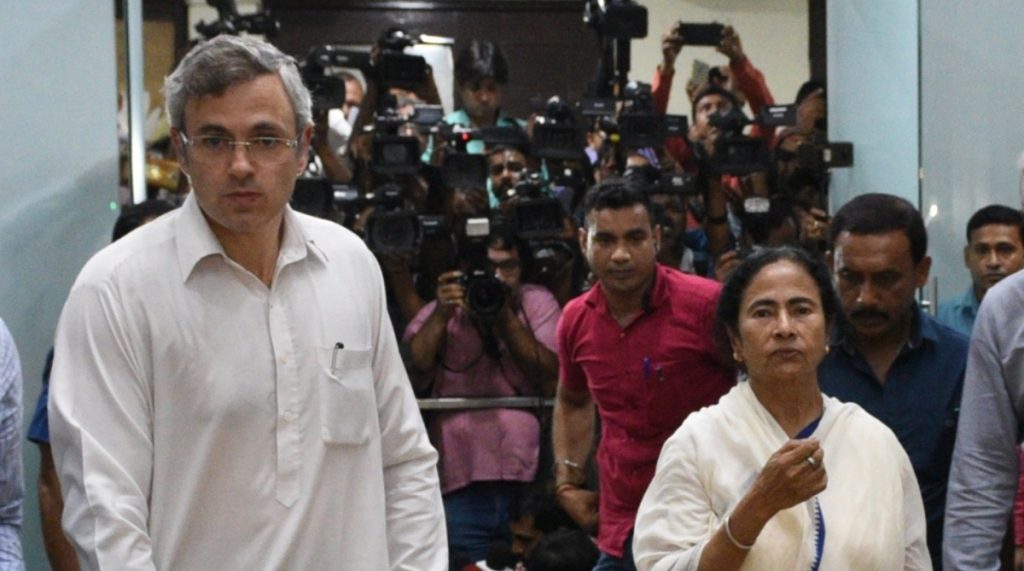
In a politically significant development ahead of the upcoming Parliament Monsoon Session, Jammu and Kashmir National Conference (NC) leader Omar Abdullah is scheduled to meet West Bengal Chief Minister Mamata Banerjee on July 10, 2025, in Kolkata. The meeting has sparked widespread speculation about opposition unity, national security strategy, and the shifting political landscape in India.
The timing is crucial — just weeks before Parliament reconvenes, and with the 2026 general elections already beginning to cast their shadow, this meeting could shape alliances and debates in the days to come.
🧾 Why Is This Meeting Important?
This meeting is not just a courtesy visit. It’s a strategic dialogue between two key opposition leaders:
- Omar Abdullah, former J&K Chief Minister and vice president of the National Conference, is seen as a moderate voice from the Kashmir Valley.
- Mamata Banerjee, Trinamool Congress (TMC) supremo, is a central figure in the opposition bloc and one of the fiercest critics of the central government.
Their meeting will likely cover:
- National security in Kashmir
- The role of regional parties in national opposition
- Upcoming Monsoon Session strategy
- 2026 election planning
- Federalism and center-state relations
🛡️ National Security & Jammu & Kashmir Issue
Sources close to the NC suggest that Omar Abdullah will brief Mamata Banerjee on the latest security situation in J&K, especially after a recent spike in cross-border ceasefire violations and militant activities in Rajouri and Poonch districts.
There are rising concerns over:
- Terror resurgence in border areas
- Human rights issues under AFSPA (Armed Forces Special Powers Act)
- Lack of political engagement post-Article 370 revocation
Omar is expected to urge Mamata and other opposition parties to raise these issues during the Monsoon Session to push for more inclusive dialogue and statehood restoration.
🧩 Opposition Unity Ahead of 2026
This meeting also ties into the larger question: Can the opposition present a united front in 2026?
The Indian National Developmental Inclusive Alliance (INDIA) – a coalition of over 20 parties including the NC and TMC – is struggling to project coherence due to internal rivalries and regional ambitions.
Mamata Banerjee, while supportive of the alliance in principle, has often skipped joint meetings and prefers bilateral strategic discussions — like this one — to evaluate future alignments.
Political experts say:
“This meeting is Mamata testing the waters again with NC to see if a Kashmir-Bengal regional partnership can influence Delhi’s power politics.”
🏛️ Key Monsoon Session Issues
The Parliament Monsoon Session begins in mid-July 2025, and a stormy debate is expected around:
- Unemployment and inflation
- Manipur and Kashmir law & order
- Electoral reforms and EVM reliability
- Farmers’ MSP guarantee bill
- Digital surveillance and privacy
Mamata Banerjee has already hinted at aggressively countering the central government’s policies, and with Omar’s inputs on J&K, the opposition may push for a special discussion on security and statehood in Kashmir.
🗣️ Reactions from Political Circles
The BJP has responded cautiously. A senior BJP spokesperson said:
“Opposition leaders meeting is their right. But politicizing national security is dangerous. Let’s hope they don’t play vote-bank politics on Kashmir.”
Meanwhile, Congress leaders welcomed the meeting:
“We need more such consultations among opposition leaders. Kashmir and democracy must be defended together.”
Left parties have also expressed interest in forming a joint parliamentary strategy post this meeting.
📍 Why Kolkata?
Mamata Banerjee is hosting a series of meetings in Kolkata with regional leaders this month. According to TMC insiders, her goal is to:
- Consolidate her image as a national opposition figure
- Showcase Bengal as a center of federalism
- Build soft alliances without being bound by party hierarchy
Omar Abdullah’s decision to travel to Kolkata instead of Delhi indicates strategic positioning — away from mainstream power centers, but still inside the national conversation.
🔮 What’s Next?
Post the July 10 meeting, observers expect a joint press statement or social media announcement. Key points to watch:
- Will they propose a joint resolution on J&K?
- Is Mamata planning to lead or co-lead the INDIA bloc in 2026?
- Will this meeting spark a series of similar dialogues between regional leaders?
If successful, the meeting could re-energize opposition momentum ahead of a crucial legislative session and election year.
🧾 Conclusion
The upcoming Omar Abdullah–Mamata Banerjee meeting may seem routine on the surface, but it could shape the tone and strategy of opposition politics in India. From Kashmir to Kolkata, regional voices are becoming central to the national narrative once again.
As Parliament prepares for a hot monsoon session, the road to 2026 is being paved not just in Delhi, but in state capitals and regional corridors of power.
Stay tuned for updates as this important political dialogue unfolds.